
The Role of Global Networks in Digital Inclusion and Access to Education
Understanding Digital Inclusion
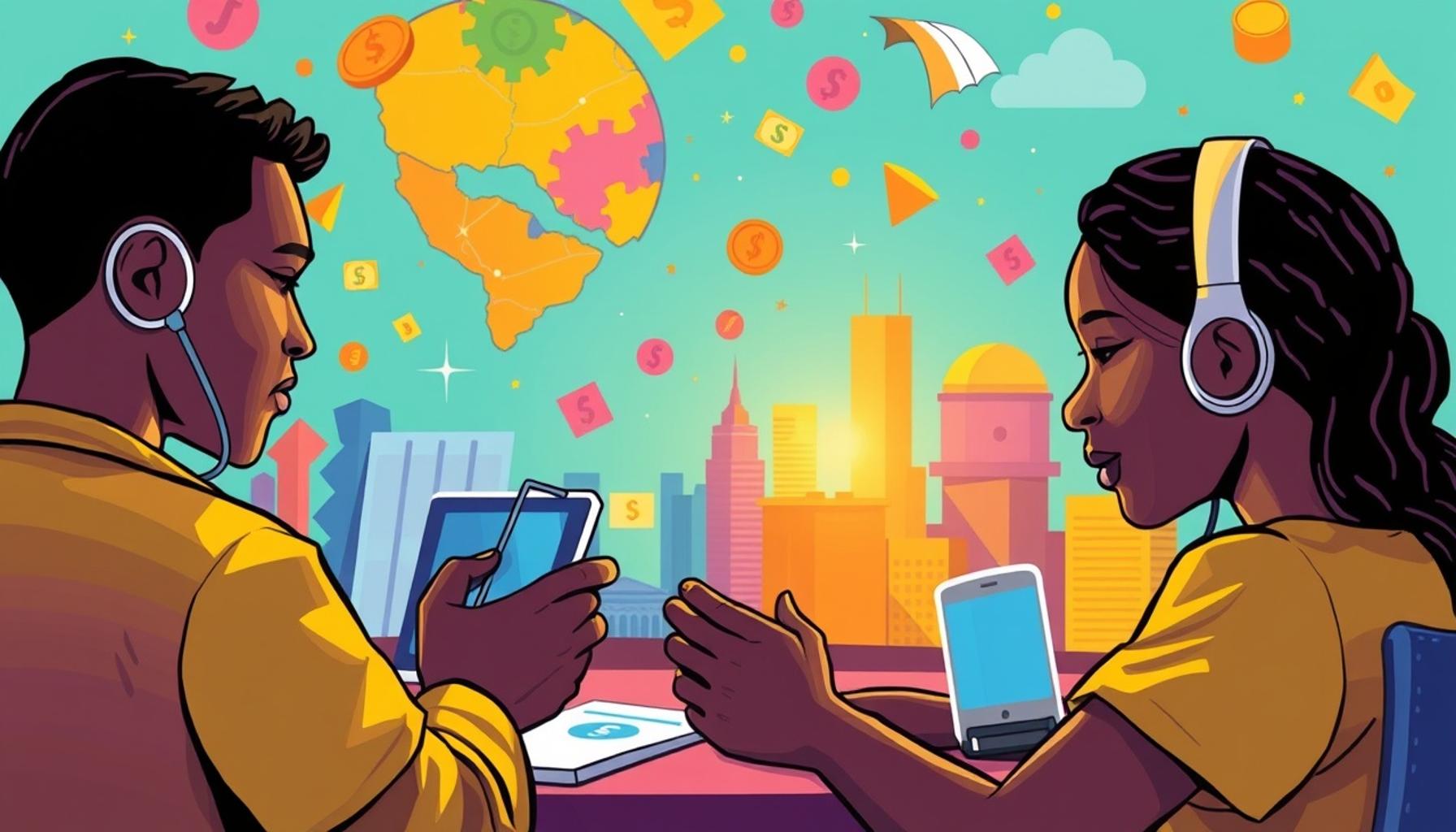
In today’s interconnected world, digital inclusion plays a pivotal role in ensuring that everyone has access to essential educational resources. The rapid evolution of technology has been transformative, and at the heart of this change are global networks, which serve as the backbone of educational access. These networks are not just technological infrastructures; they are lifelines that provide pathways to learning that were once unimaginable for many individuals, especially for those in underserved areas.
Key Features Enhancing Educational Equity
Consider these key features of global networks that significantly contribute to educational equity:
- Connectivity: Access to the internet is crucial as it allows students in rural areas to learn alongside their urban peers. For instance, a student in a small town in Iowa can participate in real-time webinars or online classes offered by top universities located far away, such as Stanford or MIT. This virtual connectivity helps to diminish educational disparities based on geographic location.
- Resource Sharing: Online platforms enable the distribution of textbooks, lectures, and tutorials worldwide. Websites such as Khan Academy and Coursera are prime examples where students can access high-quality educational content for free or at a low cost. A high school student in New Mexico can utilize these resources to study calculus or improve their coding skills without the financial burden of traditional textbooks.
- Collaboration: Students can engage with educators and classmates globally, fostering diverse perspectives. Virtual exchange programs allow students from different backgrounds to work on projects together, promoting cultural understanding. For example, a group project between students from Los Angeles and a classroom in Kenya can lead to enriching discussions about issues like climate change or social justice.
The Importance of Global Networks in Education
The significance of these networks extends far beyond merely providing access to technology; they create opportunities for personal and professional growth. By bridging gaps in education, global networks empower individuals to pursue their dreams, regardless of their geographic location. Students and adults alike can take advantage of online courses to improve their skills or gain qualifications that enhance their employability in a global marketplace.
As we delve deeper into the mechanisms behind digital inclusion, it becomes clearer that the potential of global networks can lead us toward a brighter, more equitable future. With continuous advancements in technology, the promise of equal educational opportunities—accessible to all, irrespective of socio-economic status—becomes increasingly attainable. It invites us to imagine a world where every student has the tools not just to survive but to thrive in their educational endeavors.
LEARN MORE: Click here for detailed insights
Bridging the Digital Divide
One of the most important functions of global networks in the realm of education is their ability to bridge the digital divide that exists between different demographics and geographic locations. This divide is often characterized by disparities in access to technology, internet service, and quality educational content. Addressing these inequalities is essential to promoting digital inclusion and ensuring that every individual has the opportunity to pursue educational growth.
Global networks facilitate various strategies that aim to close this divide effectively. For instance, many nonprofit organizations and governments are investing in infrastructure to increase internet connectivity in rural and low-income areas. Initiatives such as the Federal Communications Commission’s (FCC) “Emergency Broadband Benefit” program in the United States aim to provide affordable internet access to eligible households. Such programs illustrate a growing recognition that connectivity is foundational to educational success.
Moreover, the importance of digital literacy cannot be overstated in the context of global networks. As the world becomes increasingly digital, possessing the skills to navigate online platforms becomes vital for both students and teachers. Educational institutions are beginning to implement digital literacy programs, equipping learners with the necessary skills to utilize online resources effectively. For example, in many public schools across the U.S., students are being taught how to conduct research online, assess credible sources, and participate responsibly in digital discussions. These skills not only enhance learning but also prepare them for a workforce that increasingly requires technological competence.
Supporting Lifelong Learning
Global networks also play a crucial role in supporting lifelong learning. It is not just traditional students who benefit from connectivity; adult learners seeking to upgrade their skills or transition into new careers are equally empowered. Online platforms such as edX and LinkedIn Learning provide access to a wealth of courses tailored for adults, allowing them to enhance their qualifications or explore entirely new fields of interest. An employee in Michigan can learn graphic design while working a full-time job, thus adapting to the evolving demands of the job market without needing to leave home.
Furthermore, these networks create opportunities for individuals to engage in professional development through webinars and virtual workshops, promoting continuous improvement and adaptation in career skills. This flexibility is particularly beneficial for workers in sectors that are rapidly changing due to technological advancement, enabling them to remain competitive and relevant in their fields.
In conclusion, the role of global networks in promoting digital inclusion is instrumental in cultivating an equitable educational landscape. By addressing barriers to access, enhancing digital literacy, and supporting lifelong learning, these networks not only empower individuals but also contribute to building a more informed and skilled global citizenry. As we continue to explore this topic, it is essential to recognize that the journey toward digital inclusion is an ongoing one, requiring collaboration across various sectors—educational institutions, governments, and communities alike.
DISCOVER: Click here to dive deeper
Creating Collaborative Learning Ecosystems
In addition to bridging the digital divide and supporting lifelong learning, global networks foster the creation of collaborative learning ecosystems. These ecosystems draw on the diverse resources of educational institutions, NGOs, tech companies, and community organizations to create a multifaceted approach to education. By combining efforts, these entities can enhance educational opportunities that would otherwise be unavailable to many individuals.
One prime example of a collaborative ecosystem is the Global Learning XPRIZE, a competition that incentivizes teams to develop open-source software that helps children in developing countries learn to read. The winning team created a platform that is now being distributed in various local languages, breaking down language barriers that often hinder learning. This initiative shows how different organizations can come together to tackle educational challenges through innovative solutions that can be accessed worldwide.
Virtual exchange programs represent another collaborative effort emerging from global networks. These programs allow students from different countries to interact and learn from one another through video conferencing and online forums. Such exchanges provide invaluable cultural perspectives and encourage students to develop soft skills such as communication, teamwork, and adaptability. For example, a classroom in Chicago might connect with students in Kenya, sharing knowledge about their respective local histories and enhancing their global awareness.
Harnessing Open Educational Resources (OER)
Global networks also facilitate the proliferation of Open Educational Resources (OER), which are freely accessible and openly licensed educational materials. These resources can include textbooks, lesson plans, videos, and even entire courses, all available at no cost to users. This approach not only lowers barriers for students who may struggle to afford educational materials but also enables educators to adapt and share resources that are specifically tailored to their teaching needs.
For example, platforms like OEGlobal provide repositories of OER for instructors to utilize and develop their curriculum. This accessibility helps educators in underfunded schools to deliver high-quality instructional content without incurring hefty costs. Furthermore, OER fosters collaboration among teachers, allowing them to share best practices and improve the quality of education collectively.
Advancing Technology Skills Through Global Networks
Another critical aspect of enhancing digital inclusion within education is through the advancement of technology skills driven by global networks. With the rise of digital tools such as artificial intelligence (AI), machine learning, and adaptive learning technologies, students now have the opportunity to harness these innovations to improve their educational experiences. Educational platforms often integrate these tools to create personalized learning pathways that cater to an individual’s pace and style.
For instance, platforms like Khan Academy provide data-driven insights, allowing educators to identify areas where students may need additional support. Through global networks, such platforms can scale their reach and offer personalized educational experiences to users worldwide, thereby promoting greater engagement and success in learning.
In essence, the collaborative learning ecosystems fostered by global networks not only enrich educational opportunities but also underscore the importance of adaptability, inclusion, and the effective use of technology. Moving forward, it is vital for stakeholders across all sectors to continue harnessing these networks to ensure access to education remains equitable and culturally relevant for all learners.
DISCOVER MORE: Click here to learn about the advantages of digital business accounts
Conclusion
In summary, the role of global networks in promoting digital inclusion and access to education is both profound and transformative. By connecting diverse stakeholders—including educational institutions, non-governmental organizations, technology companies, and community groups—these networks enable the creation of robust collaborative ecosystems that enhance learning opportunities worldwide. Key initiatives like the Global Learning XPRIZE and virtual exchange programs illustrate how shared resources and innovative solutions can break down barriers, making education more accessible and culturally relevant.
Moreover, the rise of Open Educational Resources (OER) expands access to high-quality materials for both students and educators, significantly reducing financial barriers and promoting the sharing of best practices within the teaching community. This collective effort not only broadens individual learning experiences but also strengthens the overall quality of education across various contexts.
As we navigate an increasingly digital world, equipping students with essential technology skills is also crucial. Platforms that utilize advanced technologies like artificial intelligence can personalize learning pathways, promoting greater student engagement and success. Thus, stakeholders must continue to embrace the potential of global networks, ensuring that education remains equitable and accessible to learners of all backgrounds.
In conclusion, by leveraging the strengths of global networks, we can create a more inclusive and equitable educational landscape that empowers all individuals to succeed in an interconnected world.