
Innovations in Urban Mobility: The Impact of Autonomous Transportation Technologies on Cultural and Social Events
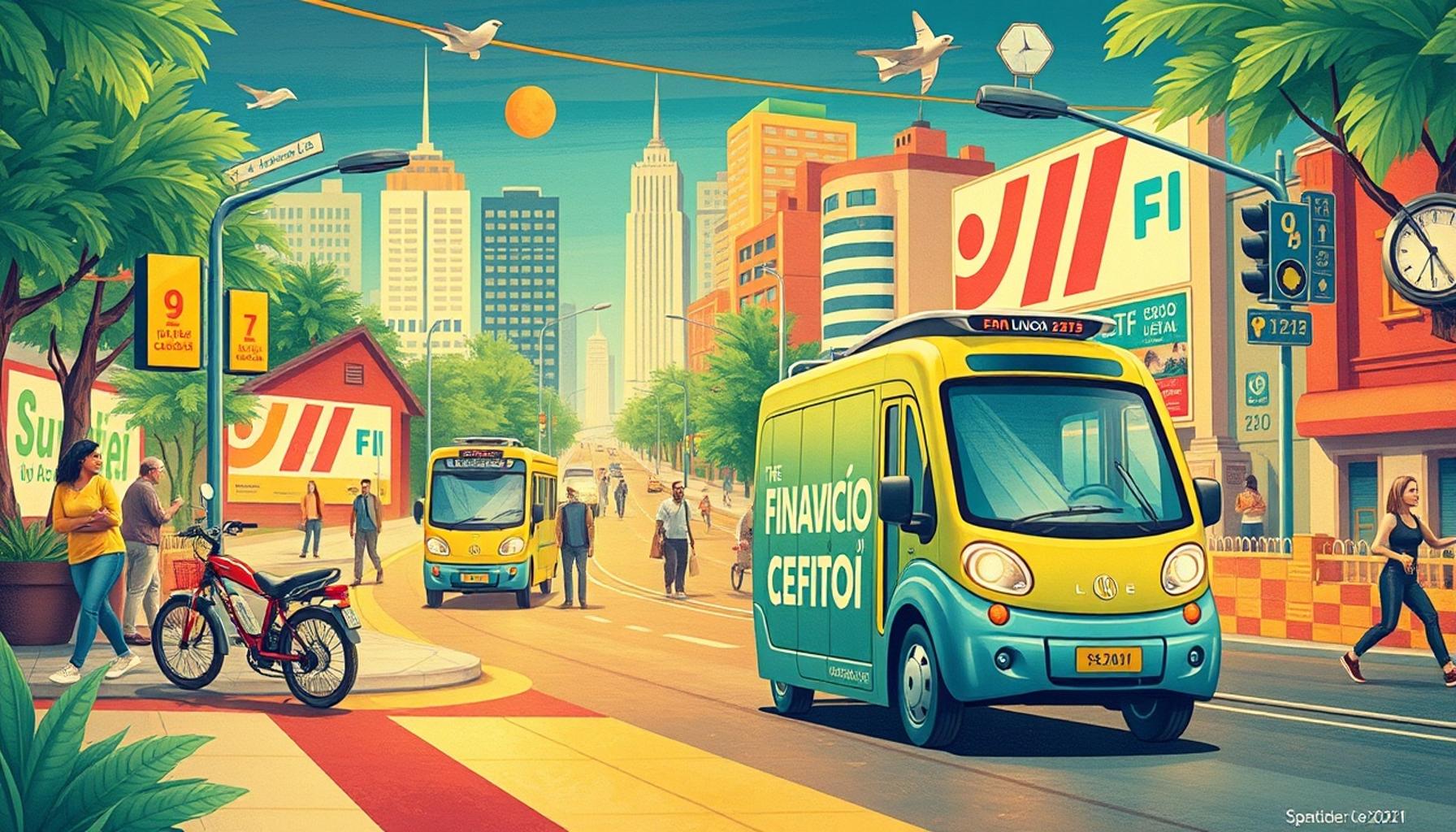
Transforming Urban Mobility
The evolution of autonomous transportation technologies is at the forefront of urban mobility transformation. These innovative systems are not merely enhancing how individuals travel within cities; they are fundamentally altering our interactions with cultural and social events. With the advent of self-driving cars and automated public transportation options, the dynamics of urban living are experiencing a rapid and profound shift.
Examining the impact of these technologies reveals several key benefits to urban experiences:
- Accessibility: One of the most profound effects of autonomous vehicles is their potential to provide unprecedented levels of accessibility. Individuals with disabilities or those lacking access to conventional transportation modes are often left out of community activities. However, with autonomous vehicles, these individuals can enjoy a reliable means of travel, allowing them to engage fully in community events such as concerts, festivals, and sports games. For instance, cities like San Francisco are piloting self-driving shuttle services designed specifically to cater to those with mobility challenges, ensuring everyone can participate in local happenings.
- Mobility Efficiency: Autonomous transport technologies promise to revolutionize travel efficiency, particularly for event attendees. Smart routing algorithms and real-time traffic management can significantly cut down on travel times. Imagine a major music festival where thousands are trying to arrive simultaneously; self-driving shuttles can dynamically adjust their routes in response to traffic conditions, thus ensuring that concert-goers arrive punctually and stress-free. This efficiency not only enhances the attendee experience but also eases city congestion during large events.
- Sustainability: Many emerging autonomous transport options are designed with sustainability in mind. Electric and hybrid vehicles are increasingly part of the autonomous fleet, helping cities to reduce carbon emissions. This is especially pertinent when hosting green events, such as environmental conferences or sustainability fairs. For example, the city of Los Angeles is exploring electric autonomous buses as part of their public transport system, aligning with their goal to host eco-friendly gatherings that leave a minimal carbon footprint.
As we integrate these evolving technologies into our urban landscapes, the result is a more inclusive environment for all residents. Event organizers can anticipate larger and more diverse audiences, as the barriers to participation diminish. As the capabilities of autonomous technologies advance, their continuous influence on mobility will also shape how cultural and social connections are formed and nurtured within our communities.
In conclusion, the rise of autonomous transportation technologies is not merely a trend; it represents a significant advancement in how urban spaces function. By making transportation more accessible, efficient, and sustainable, these innovations are fostering a richer and more integrated urban culture.
DISCOVER MORE: Click here to learn about the impact of blockchain on data security
Enhancing Inclusivity and Participation
As urban areas continue to expand and evolve, the integration of autonomous transportation technologies plays a significant role in reshaping how communities engage with cultural and social events. A primary advantage of this integration is the increase in inclusivity, allowing diverse populations to gather and participate in activities that celebrate local culture, arts, and social interaction. This transition creates an atmosphere that transcends physical barriers and social divides.
In cities across the United States, such as Austin, Texas, and Portland, Oregon, autonomous shuttles are being deployed to serve neighborhoods that might have previously struggled with reliable transportation options. These self-driving vehicles remove the challenges that many residents face and bridge gaps in access, especially for marginalized groups. This increased accessibility results in a more well-rounded and vibrant community. Here are a few ways that inclusivity is enhanced through autonomous transportation:
- Event Accessibility: Consider a local film festival celebrating independent cinema. With autonomous shuttles available, film enthusiasts who may have physical disabilities or those who typically rely on public transport now have a convenient means to attend. This ensures that audiences from diverse backgrounds can partake in and enjoy creative expressions that define their communities.
- Reduced Transportation Costs: Transportation can often be a barrier to attending social events, especially for low-income families. Autonomous vehicles, especially when integrated as part of a larger public transport strategy, can provide free or low-cost rides. This economic approach supports families who may not otherwise engage with city events. For instance, programs like Miami’s autonomous shuttle pilot enable residents to experience city life without breaking their budget.
- Encouraging Community Participation: With easier access to events, there is a natural increase in community engagement. When residents can effortlessly travel to cultural festivals, farmers’ markets, and public art installations, they are more likely to forge connections with their neighbors. In turn, this fosters a sense of belonging and participation in a shared urban culture.
Ultimately, the integration of autonomous transportation technologies fosters a climate of inclusivity that inadvertently encourages more cultural interactions. As cities embrace these innovations, event organizers can expect to see a rise in attendance from various demographics, each eager to share in the rich experiences their community has to offer.
While the initial changes may appear gradual, the wave of transformative possibilities brought on by autonomous transport systems is significant. The ongoing developments in urban mobility are continuously creating new opportunities for cultural and social events to flourish, reinforcing the bond between technology and community dynamics.
DISCOVER MORE: Click here to learn how to apply effortlessly
Transforming Event Logistics and Management
Alongside enhancing inclusivity, autonomous transportation technologies also transform the logistical aspects of organizing cultural and social events. The ability to analyze and optimize transportation flows becomes increasingly important as events draw larger crowds. The integration of self-driving vehicles into event planning fosters seamless coordination and enhances the overall experience for attendees. Below are several ways in which these innovations are reshaping event logistics:
- Efficient Crowd Management: Autonomous vehicles can adapt to real-time demands, allowing event organizers to predict and respond to changes in attendee numbers. For instance, during the Super Bowl festivities in Los Angeles, autonomous shuttles could be deployed based on live updates on ticketing and arrivals. This ensures that transport options are in sync with the flow of people, minimizing congestion and wait times.
- Streamlined Transportation Networks: By utilizing interconnected fleets of autonomous vehicles, cities can establish reliable multi-modal transport networks. For example, during major cultural events like Mardi Gras in New Orleans, a comprehensive system of autonomous shuttles can connect festival-goers from remote parking areas to the event sites. This integration allows for smoother transitions and fewer disruptions, enhancing the enjoyment of attendees.
- Reduced Environmental Impact: Autonomous vehicles often employ electric and energy-efficient technologies, aligning with sustainable practices that many cities strive to adopt. By reducing the carbon footprint associated with large-scale events, such as the Coachella Valley Music and Arts Festival, organizers can appeal to environmentally-conscious attendees while minimizing traffic congestion and pollution. This sustainable approach contributes to the broader goal of creating healthier urban environments.
Furthermore, the data generated by autonomous transportation systems can provide valuable insights into attendee behaviors and preferences. For example, organizers can examine metrics such as which shuttle stops are most frequently used or how long patrons typically wait for rides. This information can inform future event planning, helping to tailor experiences to better suit audience needs.
Facilitating Technology Integration into Events
As cultural and social events increasingly seek ways to incorporate technological advancements, autonomous transportation serves as a vital component. Enhancing event experiences by leveraging technology not only engages attendees but also creates an attractive atmosphere for sponsorship and collaboration.
For instance, at tech fairs like the Consumer Electronics Show (CES) in Las Vegas, autonomous transport options can be incorporated into the event experience. Attendees can utilize self-driving shuttles that guide them to various exhibits, while simultaneously utilizing augmented reality features. This integration of transportation and technology provides a unique and engaging experience that keeps audiences interested and connected to the event.
As cities implement these advanced transportation solutions, event organizers have a remarkable opportunity to craft engaging activities that cater to a broad audience. By closely examining attendee behaviors and needs through technological integration, cities can maximize cultural engagement and enhance social interactions in ways previously thought to be unattainable.
In summary, the infusion of autonomous transportation technologies into cultural and social events has profound implications on both logistics and attendee experiences. This advancement not only enriches community engagement but also aligns seamlessly with broader goals of sustainability and technological integration, paving the way for future events to thrive in urban environments.
DON’T MISS: Click here to learn how to plan major purchases wisely
Conclusion
As we conclude our exploration of autonomous transportation technologies and their influence on cultural and social events, it becomes clear that these innovations are truly revolutionary. Not only do they enhance accessibility and inclusivity for diverse audiences, but they also transform the logistics of event management in ways that significantly improve the attendee experience. By utilizing autonomous vehicles, cities can optimize crowd management, create seamless transport networks, and lessen environmental impacts during large gatherings. Event organizers can coordinate more effectively, avoiding congestion and wait times, and making events enjoyable for everyone.
Furthermore, the integration of technology within transport systems aligns perfectly with the rising demand for interactive and engaging experiences. Events like the Consumer Electronics Show showcase how self-driving shuttles can enhance visitor experiences while integrating seamlessly with other forms of technological engagement. As cities continue to adopt these advanced solutions, the potential for creating memorable, sustainable cultural experiences grows exponentially.
Looking ahead, it is essential for both policymakers and event organizers to recognize the transformative capabilities of autonomous transportation. By embracing these innovations, we can foster a more connected, inclusive, and vibrant urban environment where cultural and social events thrive. In doing so, we not only enhance individual experiences but also contribute to the broader development of smarter, more sustainable cities for generations to come.