Menu

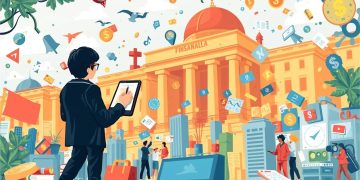
The Influence of Digital Governance on the Resilience of Critical Infrastructures in the USA

Digital governance plays a crucial role in enhancing the resilience of critical infrastructures in the USA by focusing on data security, inter-agency collaboration, and innovative technologies. By fostering transparency, accountability, and adaptability, it ensures better preparedness and response to evolving challenges, safeguarding essential services and promoting a secure future.

The Rise of Ephemeral Content: How Stories and Reels Are Transforming Digital Communication

Ephemeral content, characterized by its temporary nature on platforms like Instagram and Snapchat, enhances digital communication. It fosters urgency, authenticity, and engagement, transforming how brands connect with consumers. This trend shapes marketing strategies, focusing on storytelling that builds community and deeper relationships in an evolving digital landscape.

The Influence of Social Media on Mental Health: Challenges and Opportunities in the Digital Age

Social media profoundly influences mental health, presenting both challenges like comparison and cyberbullying, and opportunities for connection and advocacy. By promoting digital well-being and education, individuals can navigate these platforms mindfully, fostering supportive communities while mitigating potential negative impacts on psychological well-being.

Digital Governance and the Transformation of Public Education in Times of Pandemic

The pandemic prompted a significant shift in public education towards digital governance, necessitating remote learning solutions and equitable access to technology. Educators adapted curricula and assessment methods, fostering collaboration between schools, families, and communities. This transformation highlights the importance of data-driven decision-making to ensure inclusive and effective learning environments.

The Impact of Global Networks on the Dissemination of Information During World Crises

This article explores how global networks, including social media and traditional media, shape the dissemination of information during world crises. It highlights their roles in providing rapid updates, diverse perspectives, and fostering community response, while addressing the challenges of misinformation. Understanding this impact is essential for effective crisis management.

The Influence of Digital Networks on How We Consume and Share Culture Globally

Digital networks have revolutionized global cultural consumption by providing instant access, fostering social sharing, and promoting cultural exchange. Streaming services and social media enable users to explore diverse artistic expressions while also posing challenges like cultural appropriation. Engaging with global culture thoughtfully is essential in this interconnected digital landscape.

The Role of Social Media in the Formation of Youth Cultural Identity in the United States

Social media is a pivotal force in shaping youth cultural identity in the United States, providing diverse perspectives, community building, and self-expression. While fostering cultural awareness and activism, it also presents challenges like mental health pressures and misinformation, highlighting the need for mindful engagement in the digital landscape.

The Impact of Social Media on Political Mobilization: Recent Cases in the USA

Social media has transformed political mobilization in the USA, empowering grassroots movements, enhancing real-time communication, and amplifying influencer engagement. While it facilitates activism on issues like racial justice and climate change, challenges such as misinformation and polarization highlight the need for responsible digital engagement in the political sphere.

Evolution of Social Media Platforms: From Personal Connection to Commercial Influence

Social media has evolved from personal connection platforms to powerful commercial tools, reshaping communication and marketing. This transformation includes the rise of data-driven advertising, user-generated content, and social commerce, emphasizing the importance of engagement and direct relationships between brands and consumers in today's digital landscape.

The Role of Social Media in the Spread of Fake News and Misinformation

Social media has transformed information access but also facilitates the rapid spread of fake news and misinformation. Algorithms prioritize sensational content, creating echo chambers that reinforce false narratives. Enhancing media literacy and promoting critical thinking are vital for combating misinformation and fostering a more informed society.