
Advances in Augmented and Virtual Reality: Transforming Events and Digital Experiences
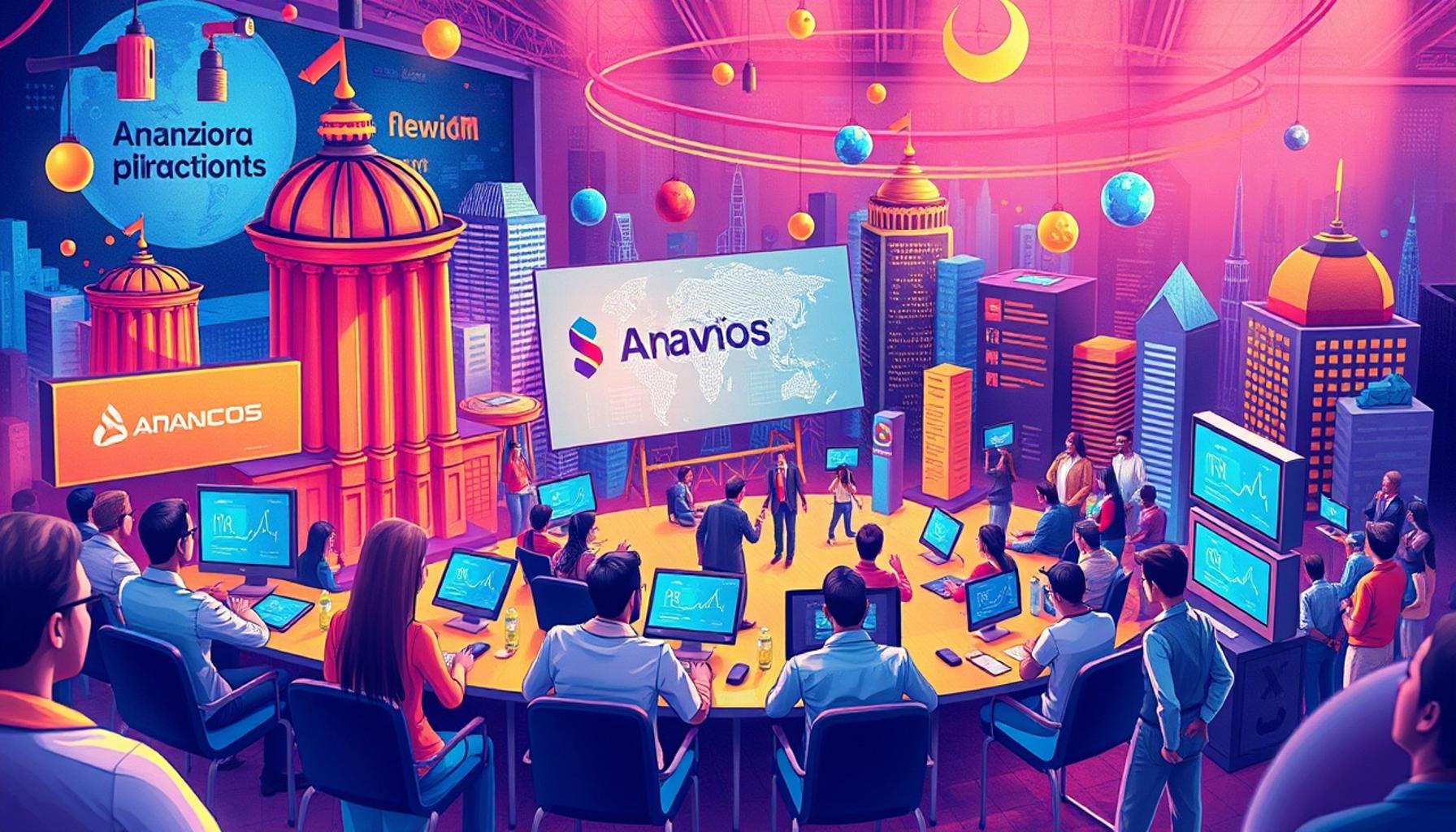
Understanding the Impact of Augmented Reality and Virtual Reality
Augmented reality (AR) and virtual reality (VR) have fundamentally changed the way we perceive and participate in events, offering novel ways to connect in our increasingly digital world. These technologies combine real-life environments with digital enhancements, creating experiences that capture the imagination and engage users in unprecedented manners.
Considering the surge in remote work and virtual gatherings, the role of these technologies has become even more crucial. Virtual Conferences have gained significant traction, allowing participants to join discussions and networking opportunities from anywhere in the world. Platforms like Zoom and Microsoft Teams provide a good foundation, but integrating AR and VR elevates these events by making them more interactive. Participants can navigate a 3D virtual lobby, visit different rooms, and even have avatars represent them, fostering a sense of presence and community.
Immersive Marketing represents another innovative application where brands create interactive advertising experiences that captivate consumers. For instance, IKEA’s Place app employs AR technology enabling users to visualize how furniture would look in their homes before making a purchase. Such interactive ads not only enhance user experience but also lead to informed decisions, ultimately boosting sales.
Live events are also undergoing a transformation through Enhanced Live Events. Musicians and performers can blend virtual elements into their shows, such as holographic displays or interactive apps that allow the audience to influence certain aspects of the performance. An example is the virtual concerts by artists like Travis Scott in Fortnite, where he performed to millions in a mesmerizing, digitally transformed space.
The benefits of AR and VR extend beyond mere entertainment. One major advantage is Increased Engagement. Audiences are drawn to immersive experiences that are more memorable than traditional formats, leading to higher retention and interaction rates. Furthermore, the Accessibility these technologies provide cannot be overlooked; virtual settings allow individuals from diverse locations and backgrounds to partake, breaking down geographic barriers that often limit participation.
Finally, both AR and VR technologies enable expansive Data Collection. Organizations can gather detailed analytics on user interactions and preferences, which can inform future content delivery and marketing strategies, ultimately improving user satisfaction.
As we delve deeper into these advancements, it becomes evident that AR and VR are not just trends but powerful tools reshaping our connection to events and experiences. The potential for creating unforgettable moments, coupled with a more inclusive environment, sets the stage for an exciting future shaped by innovation and creativity.
DISCOVER MORE: Click here for valuable insights
Exploring the Key Applications of Augmented and Virtual Reality in Events
The integration of augmented reality (AR) and virtual reality (VR) into events is not merely a trend; it represents a paradigm shift in how we experience and engage with both personal and professional gatherings. When we explore the significant applications of these technologies, it becomes clear that they enhance the quality of events, providing unique and memorable experiences for attendees. Let’s examine some of the most impactful applications:
- Virtual Trade Shows: In a landscape where physical events are not always feasible, virtual trade shows have risen to prominence. These events offer exhibitors the ability to set up digital booths where attendees can visit virtually, view product demonstrations, and interact with representatives through video chats. Companies like BMW have utilized these platforms to launch new products, reaching audiences far beyond the confines of a traditional venue.
- Remote Collaboration: AR and VR foster environments of collaboration, which can be particularly valuable for education and corporate training sessions. Imagine a medical training seminar where students can practice surgical techniques in a risk-free virtual environment, guided by instructors in real time. The combined functionality of these technologies allows for realistic simulations that enhance learning outcomes.
- Interactive Storytelling: The use of AR and VR in storytelling captivates audiences by immersing them in narratives. Whether it’s a historical reenactment or an interactive marketing campaign, these technologies allow participants to step into a story, making it feel personal and impactful. For example, the app “Street Museum of Chicago” uses AR to enrich the experience of visiting historical sites, presenting stories and visuals that bring the past to life.
Moreover, the appeal of these technologies is enhanced by their social connectivity. AR and VR not only enrich individual experiences but also encourage shared interactions among users. This communal aspect is particularly significant as participants can connect and collaborate in real-time. Virtual events can incorporate gamification, where users earn points or rewards for engagement, increasing participation and excitement.
Cost-Effectiveness is yet another advantage of adopting AR and VR in events, especially in times when physical gatherings may incur extensive expenses. Expenses related to travel, lodging, venue rentals, and catering can quickly accumulate, making virtual events an attractive alternative. Organizations can allocate their resources more effectively and focus on creating a high-quality digital experience without compromising engagement.
Ultimately, as we explore the multifaceted applications of AR and VR in events, it is evident that these technologies offer innovative solutions that push the boundaries of our traditional understanding of gatherings. By leveraging their capabilities, event planners can create profound experiences that resonate with attendees long after the event has ended. This transformation is indicative of how technological advancements can redefine our interactions, honing in on both creativity and connection in every experience.
DISCOVER MORE: Click here to learn about the risks
Enhancing Audience Engagement Through Immersive Technology
As augmented reality (AR) and virtual reality (VR) technologies continue to evolve, their ability to enhance audience engagement is becoming increasingly apparent. These tools foster deeper connections and more meaningful interactions at events, allowing organizers to craft unforgettable experiences that resonate with participants. Below are several innovative methods through which AR and VR are redefining audience engagement:
- Live Polling and Q&A Sessions: Incorporating live polling during presentations can drastically increase audience interaction. By using AR applications, participants can submit questions or engage in polls directly from their devices, creating an immediate feedback loop. For example, during a conference, attendees can see real-time results of a poll displayed in an interactive 3D format, engaging their curiosity and providing a visual representation of collective opinions.
- Virtual Networking Opportunities: Networking has always been a cornerstone of events, and AR and VR provide innovative solutions for fostering connections. Virtual networking lounges can simulate face-to-face interactions, allowing attendees to connect in immersive environments. Platforms like Remo enable participants to join virtual tables, facilitating intimate discussions that would typically occur during in-person events, breaking geographical barriers.
- Sponsorship Activation and Brand Experiences: Event sponsors are increasingly utilizing AR and VR to create engaging brand experiences. For instance, a cosmetic brand could set up a VR station where attendees can virtually “try on” products before purchasing. This experiential marketing not only boosts the likelihood of conversions but also provides a memorable interaction with the brand, enhancing customer loyalty.
- Choose-Your-Own-Adventure Experiences: Another exciting aspect of AR and VR is their ability to provide customizable experiences. Event planners can create scenarios in which attendees make choices that influence their journey during the event. This interactive format elevates engagement, as participants feel more connected to the content. For an example within the education sector, a virtual conference on climate change might allow participants to choose a path based on their interests, guiding them into breakout sessions tailored to specific themes.
Furthermore, the integration of analytics and data tracking within AR and VR platforms enables organizers to gather valuable insights on attendee behavior. By analyzing how participants interact with various elements, event planners can refine future experiences. Understanding which aspects captivate the audience the most allows for strategic improvements, ensuring that every future event is more engaging than the last.
The incorporation of multi-sensory experiences is another tantalizing frontier for AR and VR within events. By harmonizing visuals, sounds, and even haptic feedback, these technologies can create environments that stimulate all the senses. For example, a virtual reality tour of a famous historical site can involve not only visual immersion but also audio effects that mimic the bustling sounds of that period. Such an approach adds depth and richness to the experience, promoting not only engagement but also retention of the information presented.
In summary, AR and VR have ushered in transformative changes in how audiences engage with events. By leveraging these technologies, organizers can develop interactive features that go beyond traditional methods, crafting experiences that foster connection and create lasting memories. As the capabilities of AR and VR expand, attendees can expect increasingly innovative tools that enhance their participation and enjoyment at every event.
DISCOVER MORE: Click here for essential tips
Conclusion
The integration of augmented reality (AR) and virtual reality (VR) into events and digital experiences has fundamentally reshaped how audiences engage with content. As we explored, these technologies empower organizers to create highly interactive environments that not only captivate attendees but also provide valuable insights into their preferences and behaviors. The incorporation of live polling, virtual networking, personalized experiences, and multi-sensory enhancements exemplifies the innovative potential AR and VR hold for fostering deeper connections and engagement.
Looking ahead, the future of events is likely to be defined by even greater advancements in AR and VR technology. These innovations will enable organizers to push the boundaries of creativity and personalization, ensuring each participant feels uniquely engaged. With the ability to track analytics in real-time, event planners can refine their strategies continuously, delivering experiences that are not only memorable but also align closely with attendee interests and desires.
Ultimately, as AR and VR continue to develop, they promise to bridge the gap between the physical and digital worlds, creating more inclusive opportunities for individuals regardless of their geographical location. This transformation not only enhances the quality of events but also inspires a new generation of interactive experiences. As we embrace these cutting-edge technologies, we can look forward to a future where every event is not just attended but fully experienced, leaving lasting impressions that extend beyond traditional boundaries.